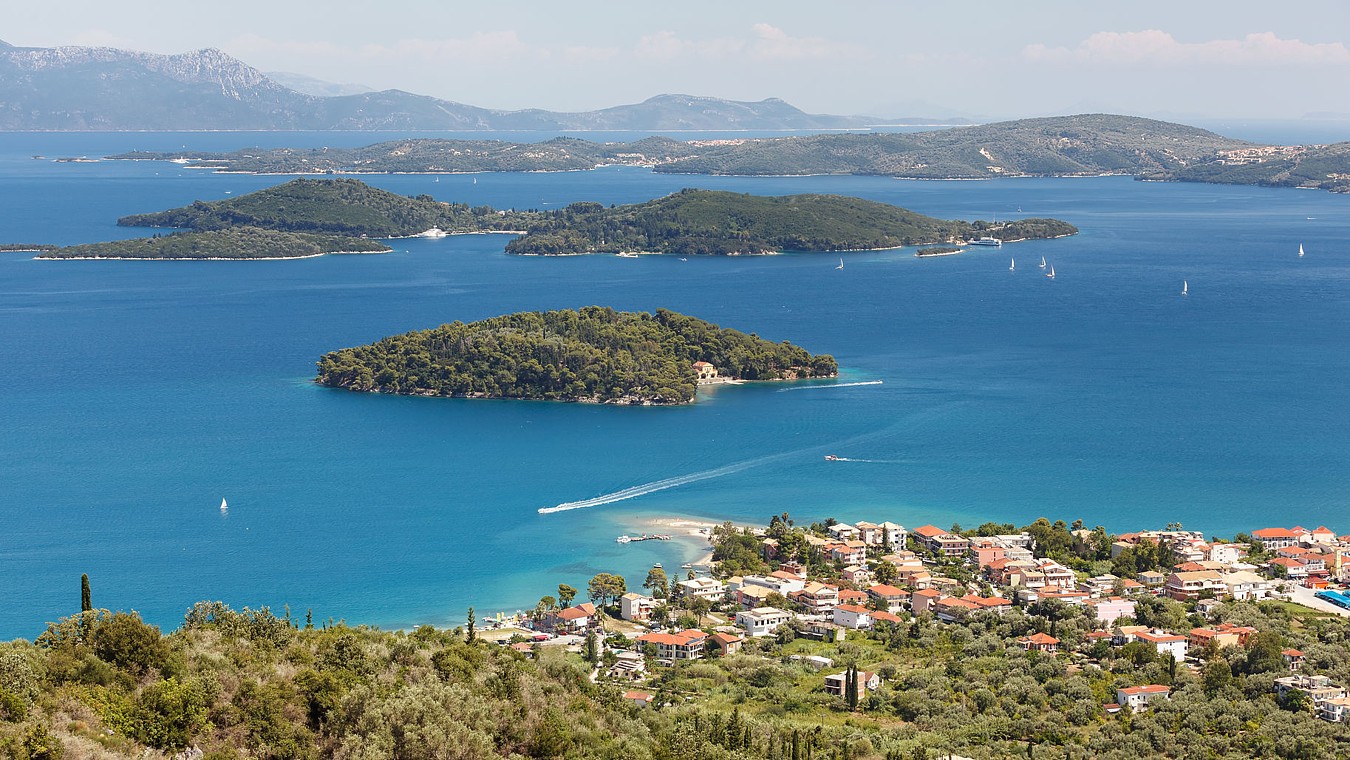
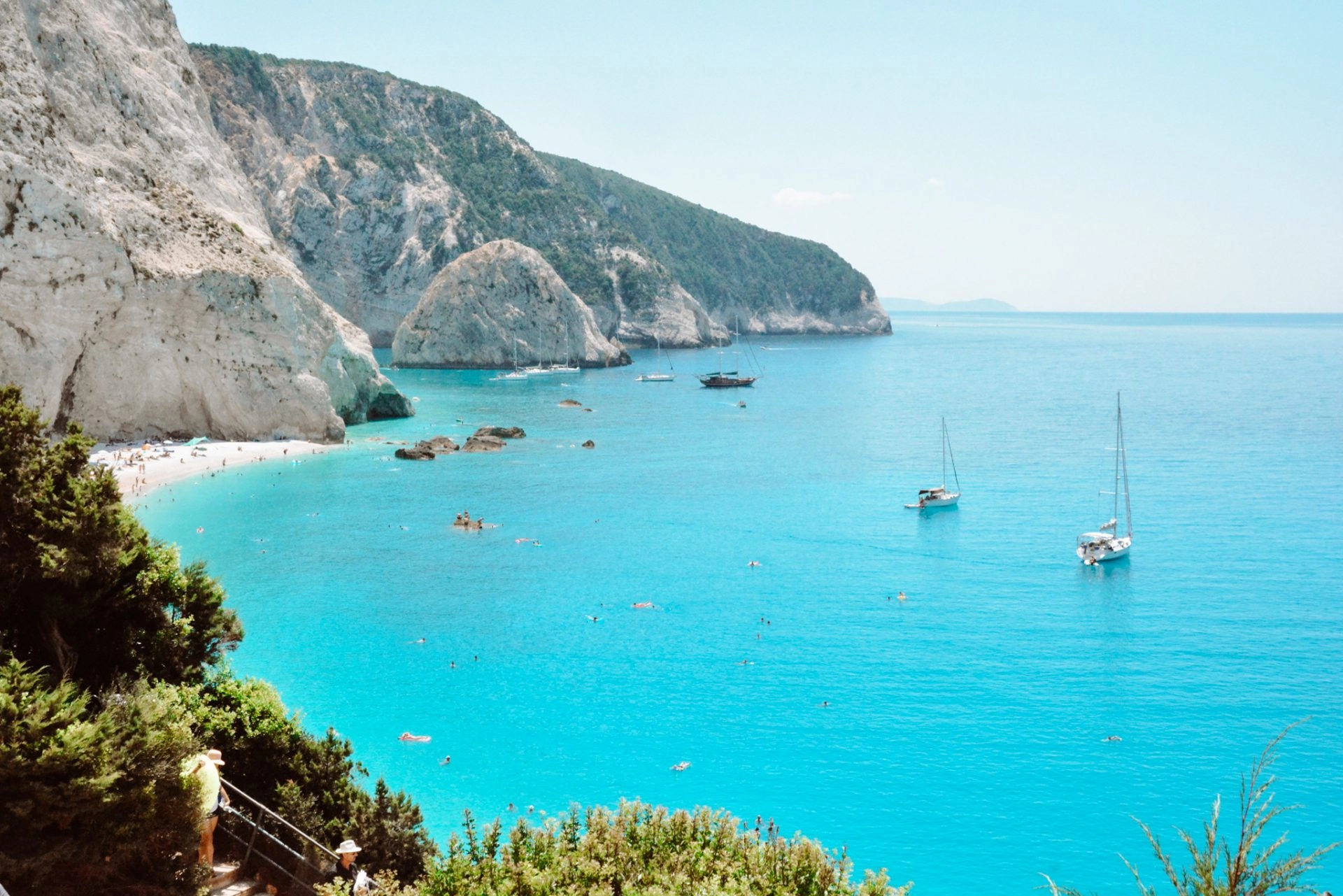
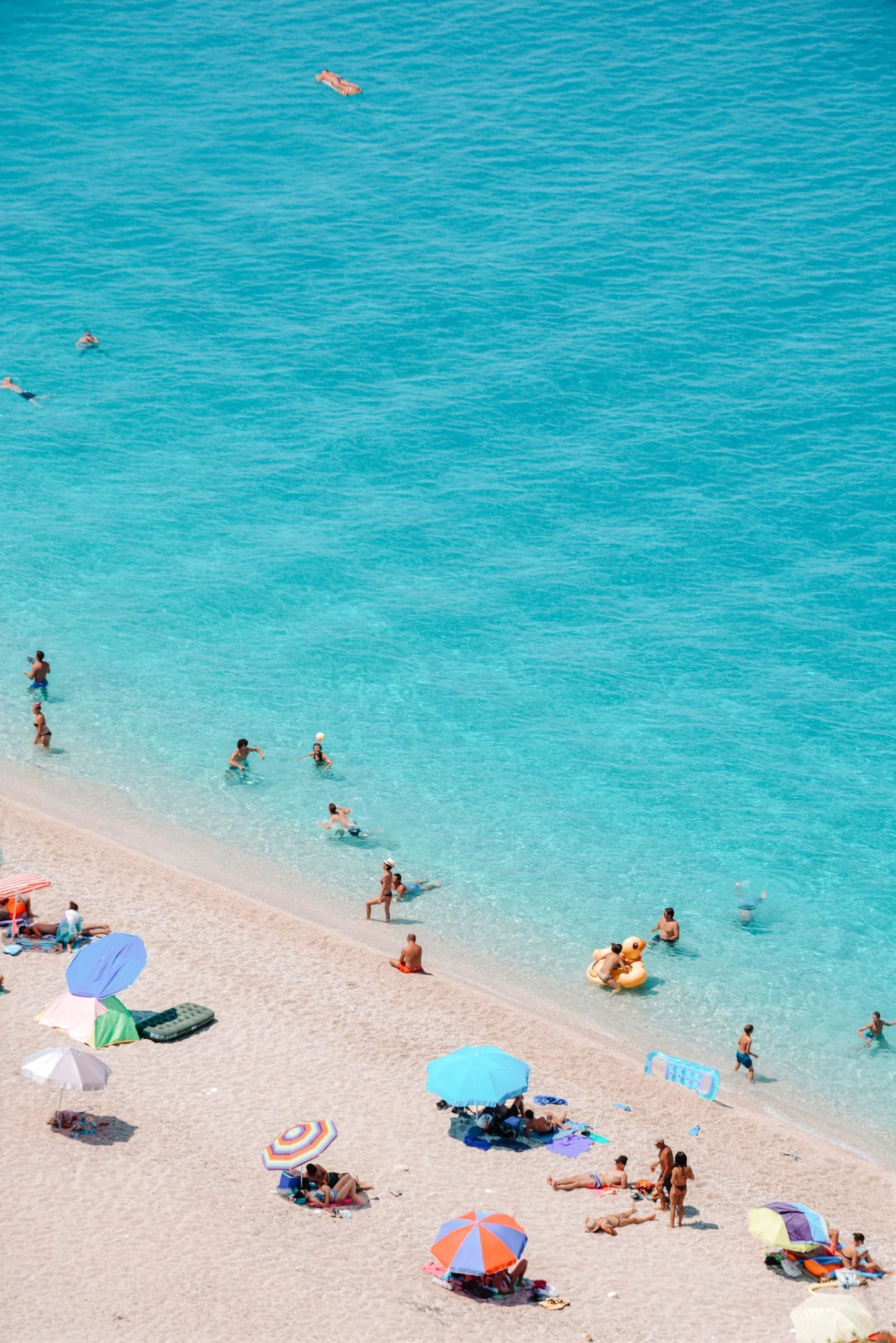
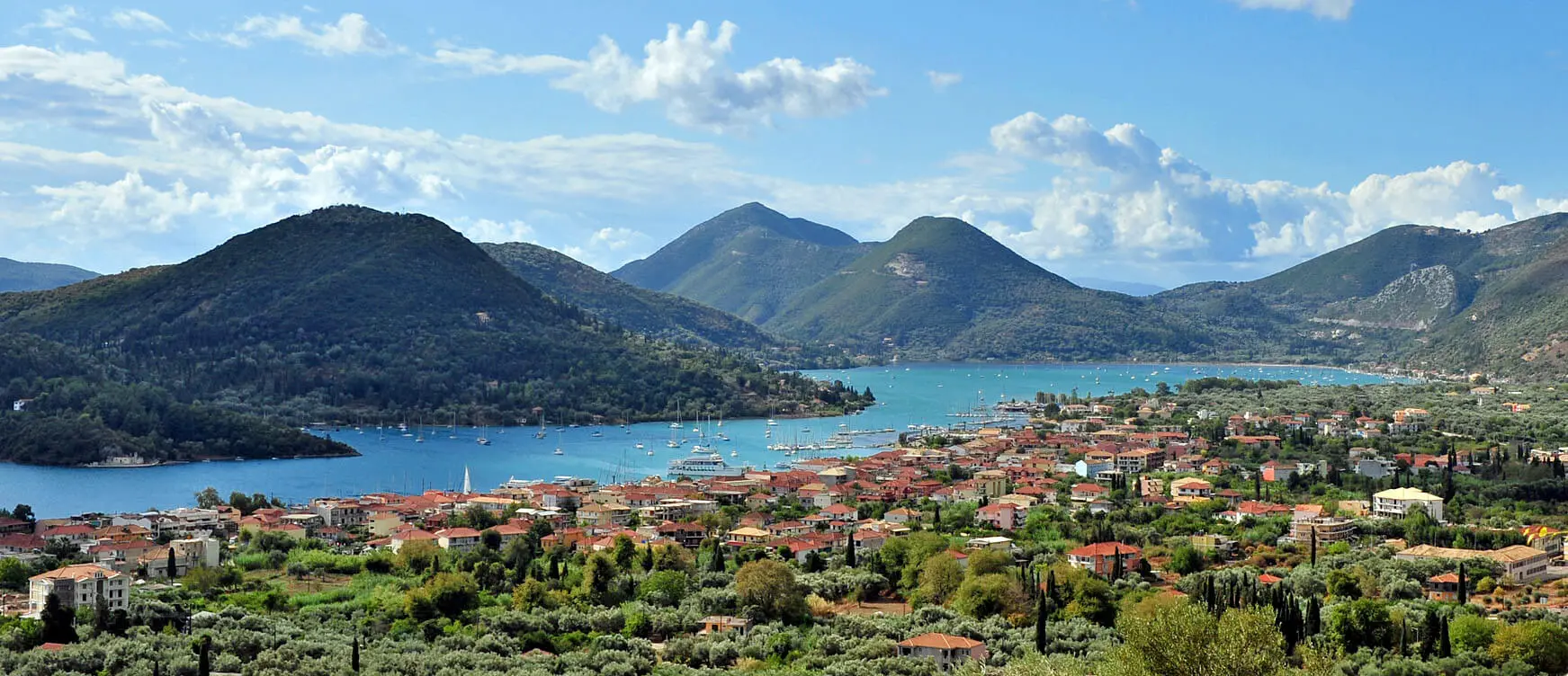
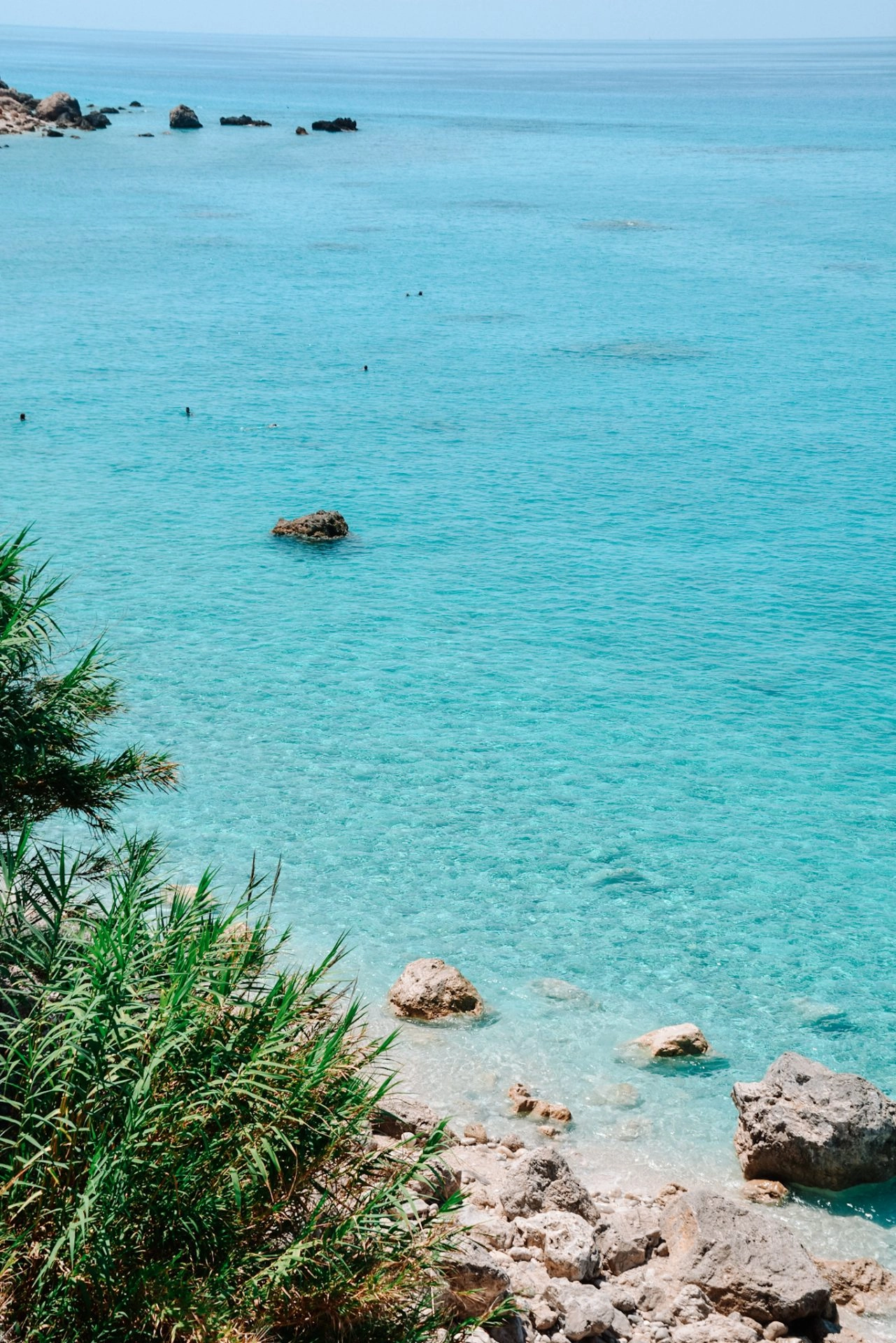
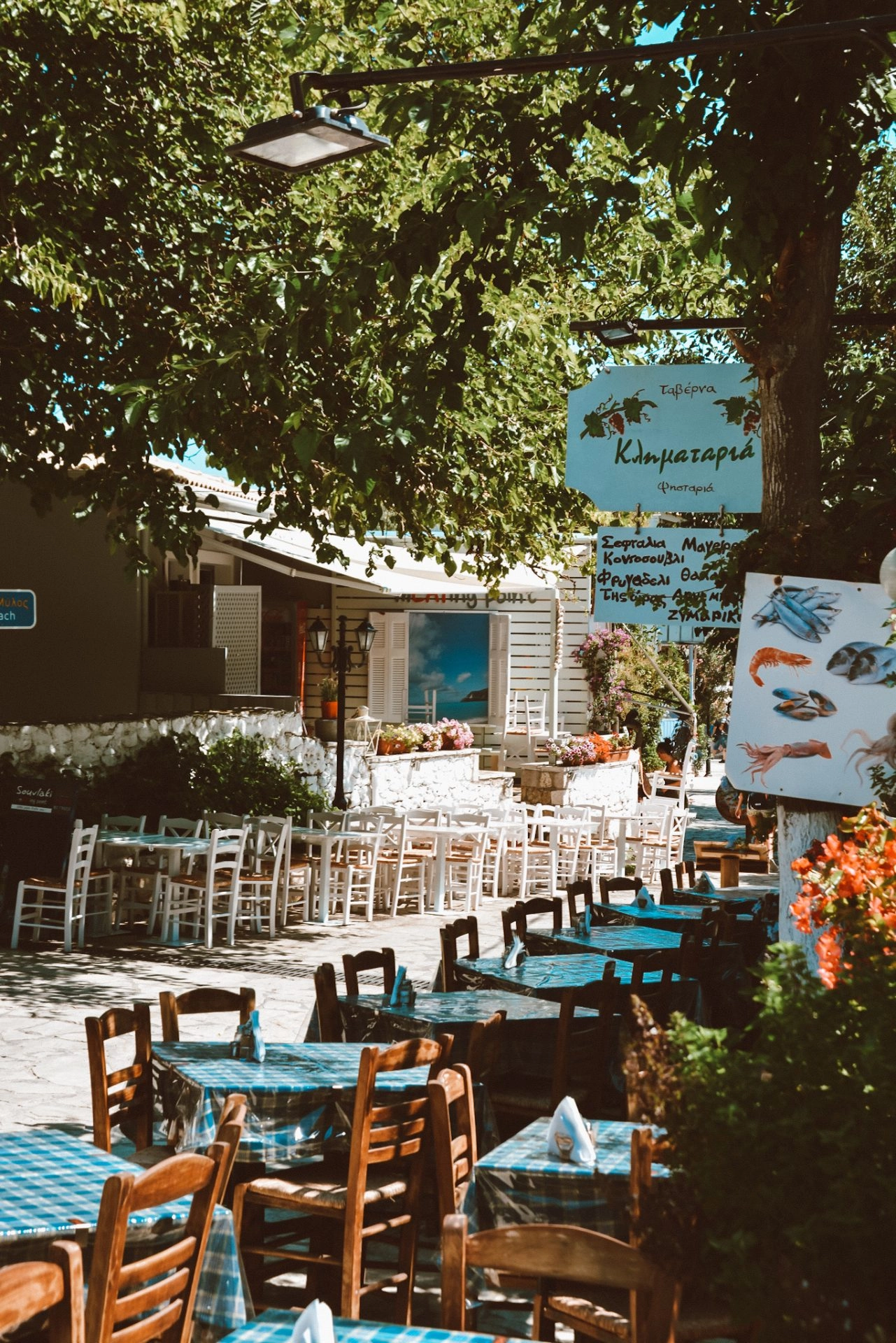
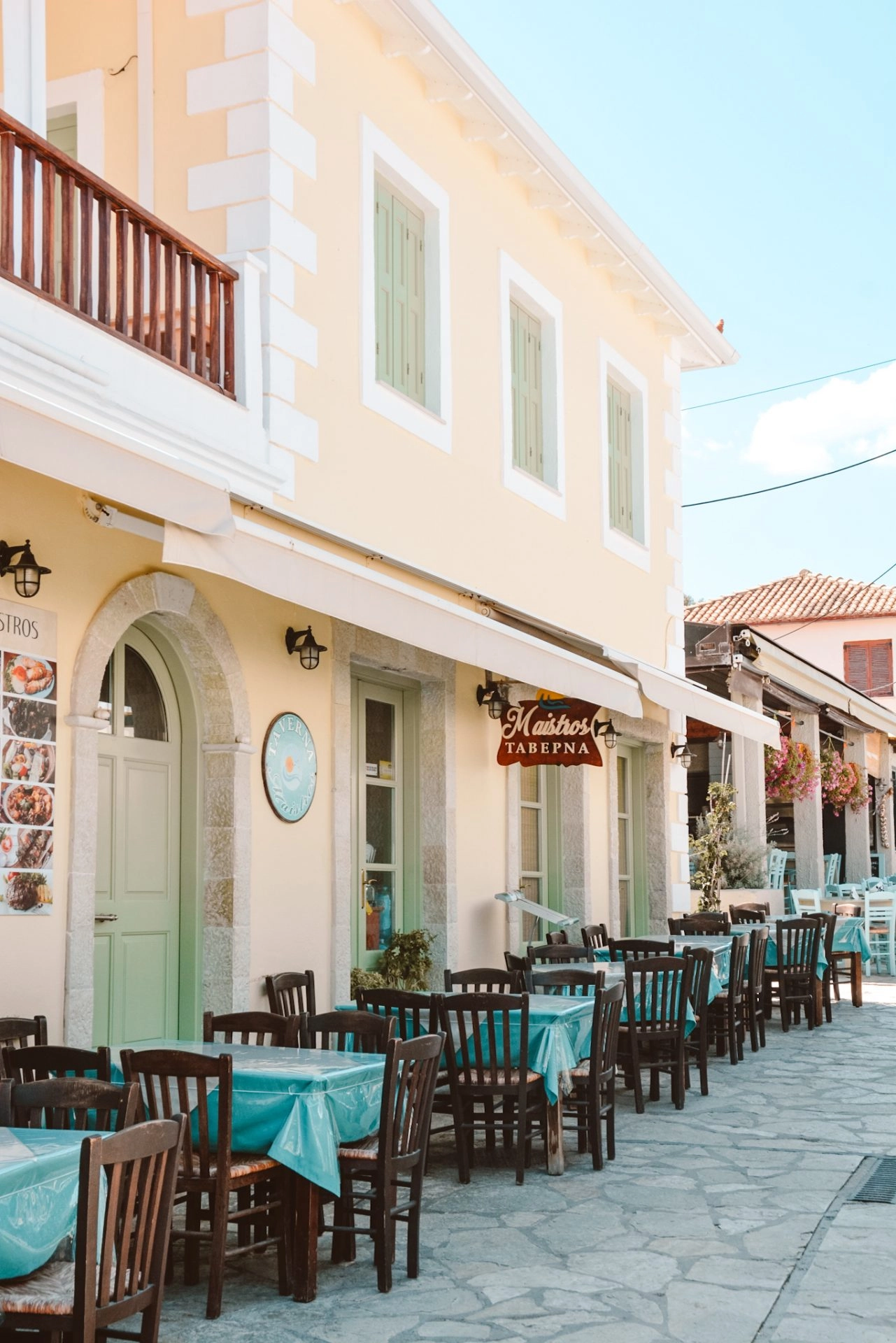
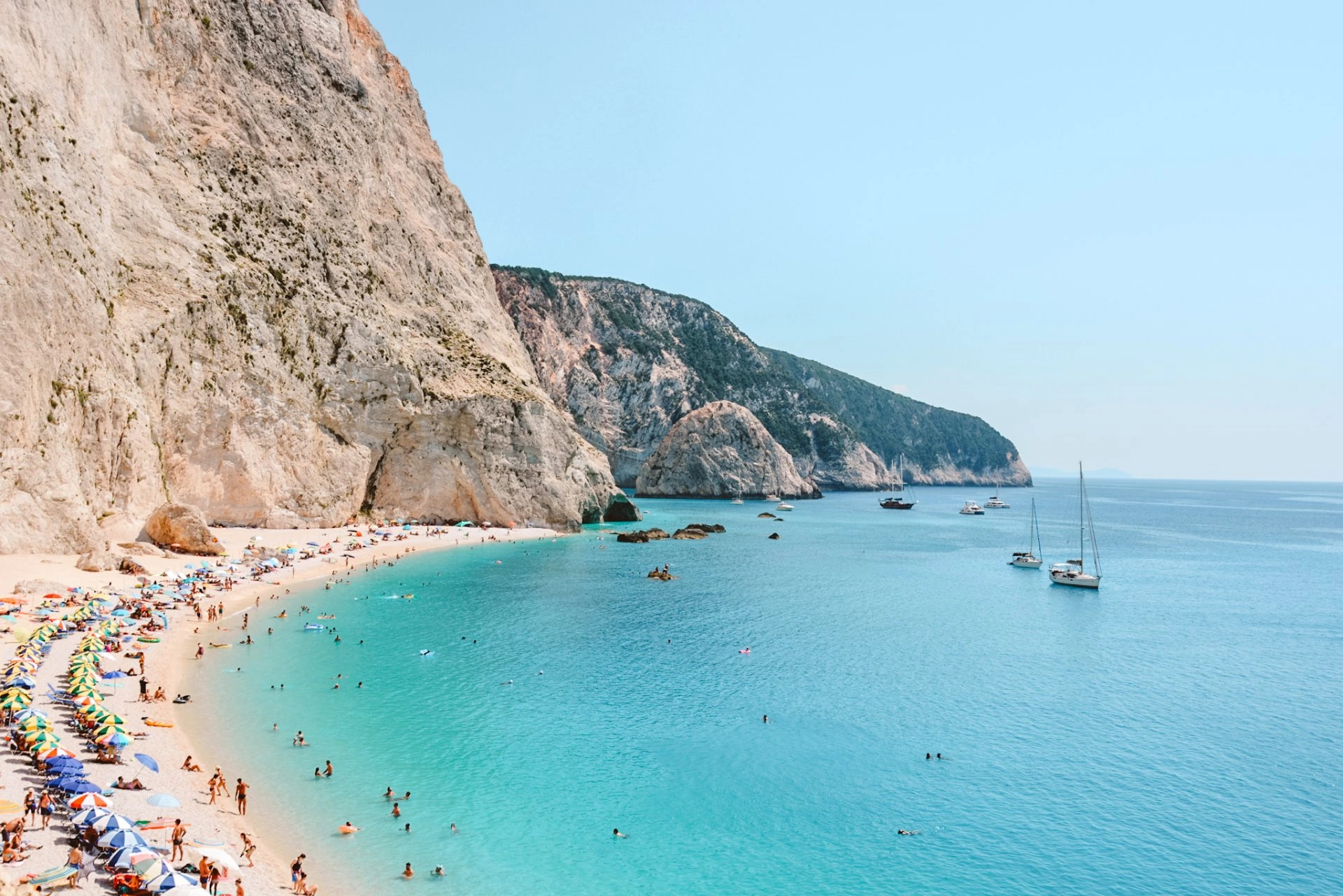
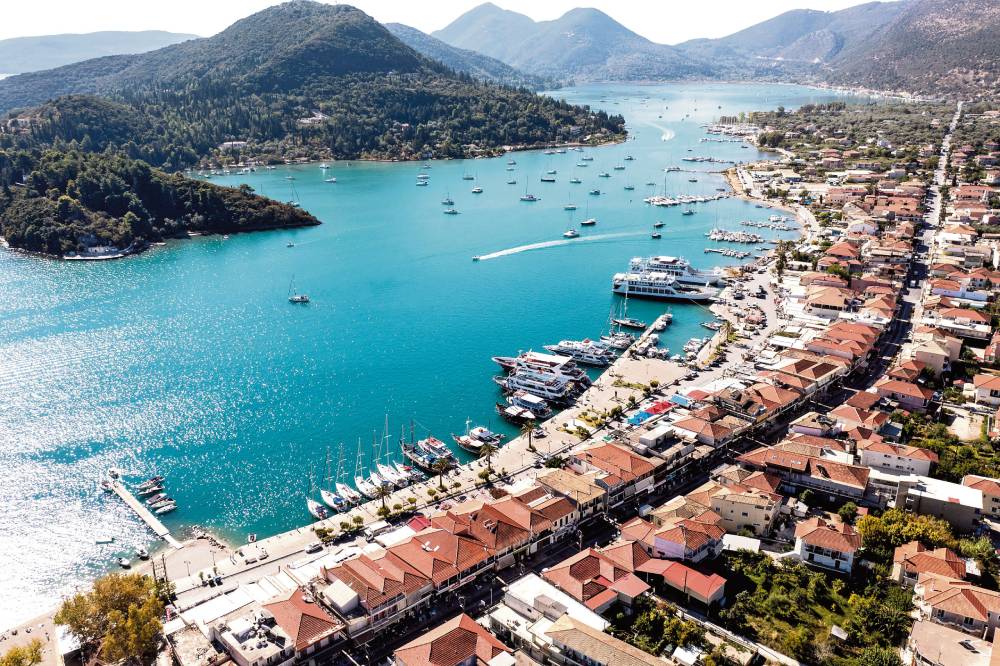
Lefkada is the fourth largest of the Ionian Islands, located south of Corfu and just off the coast of the Aetolia-Acarnania region. It is conveniently connected to the mainland by a small 50-meter bridge, offering free and easy access. The main pillars of the island's local economy are tourism, olive oil production, viticulture, and fishing.
Human presence in Lefkada can be traced back to the Paleolithic era. The distinguished German archaeologist Wilhelm Dörpfeld, an associate of Heinrich Schliemann during the Troy excavations, conducted extensive archaeological research in Nydri. He brought to light important findings from the Copper Age (2000 B.C.), sparking the famous theory that Lefkada is, in fact, Homer’s Ithaca.
The district of Lefkada also includes several smaller surrounding islands, such as Meganisi, Sparti, Skorpios, Arkoudi, Kastos, and Kalamos. In the past, the island was known as Agia Mavra (Santa Maura). It took this name from the church of Agia Mavra, which was built by the Franks during the 13th century within the coastal fortress of the same name.
Getting to Lefkada
Access to neighboring islands
From Nidri and Vassiliki there are daily ferry-boats with direction to Meganissi, Kefalonia (Fiskardo), Ithaca (Frikes). Also boats are daily making trips to the surrounding islands and beaches.
How to get to Lefkada
Reaching your destination is a breeze, with plenty of convenient travel options!
By Road
Enjoy the ultimate road trip! Lefkada is uniquely accessible by car without the need for a ferry, smoothly connected to the mainland by a 50-meter bridge. Regular bus services run from Athens (5 times a day) and Thessaloniki (twice a week). Driving from the north? The Preveza-Aktion underwater tunnel makes arriving from Igoumenitsa simple. Coming from the south? The impressive Rio-Antirrio bridge connects you easily to Patras and the rest of Greece.
By Air
Aktion International Airport is just a short 18 km drive from Lefkada town. Enjoy regular domestic flights—including routes from Thessaloniki and Crete—as well as seasonal direct flights from major European cities between April and October.